The Collective Magazine_Rock & Roll

July 23 2010
Posted under: Work

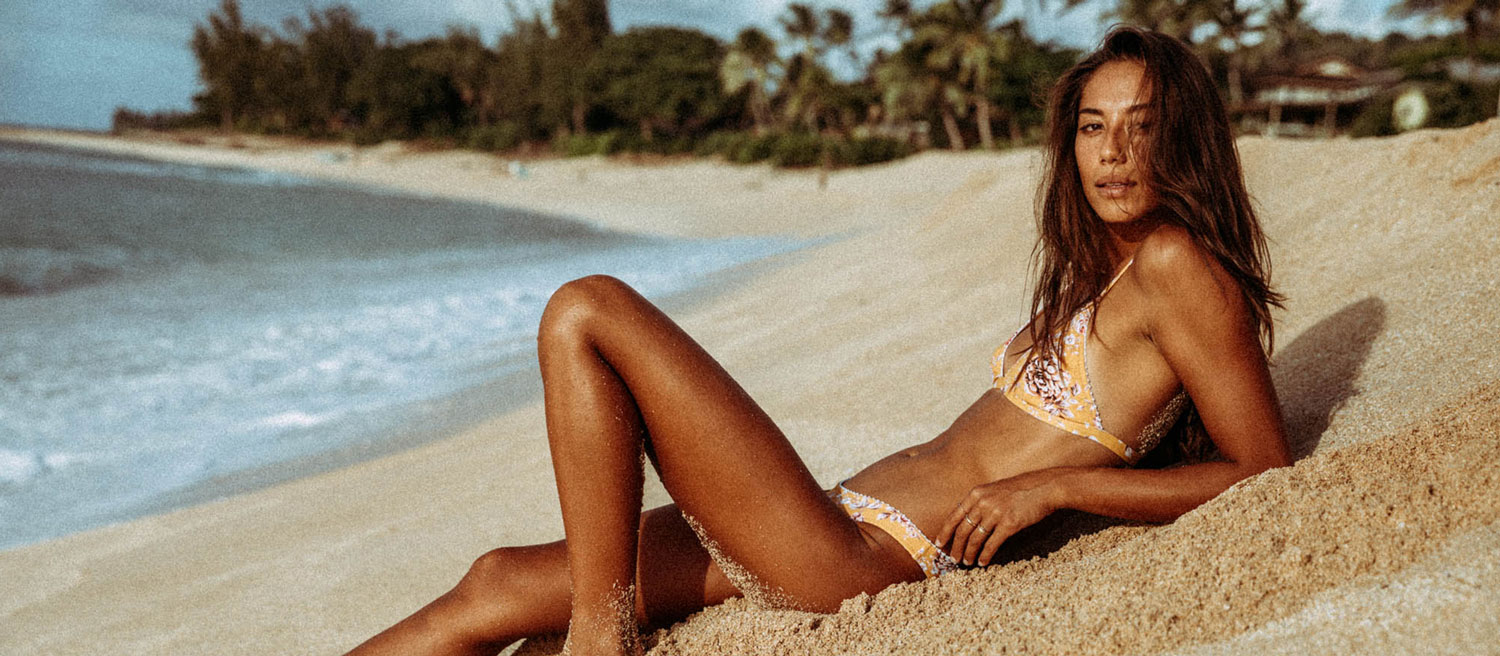
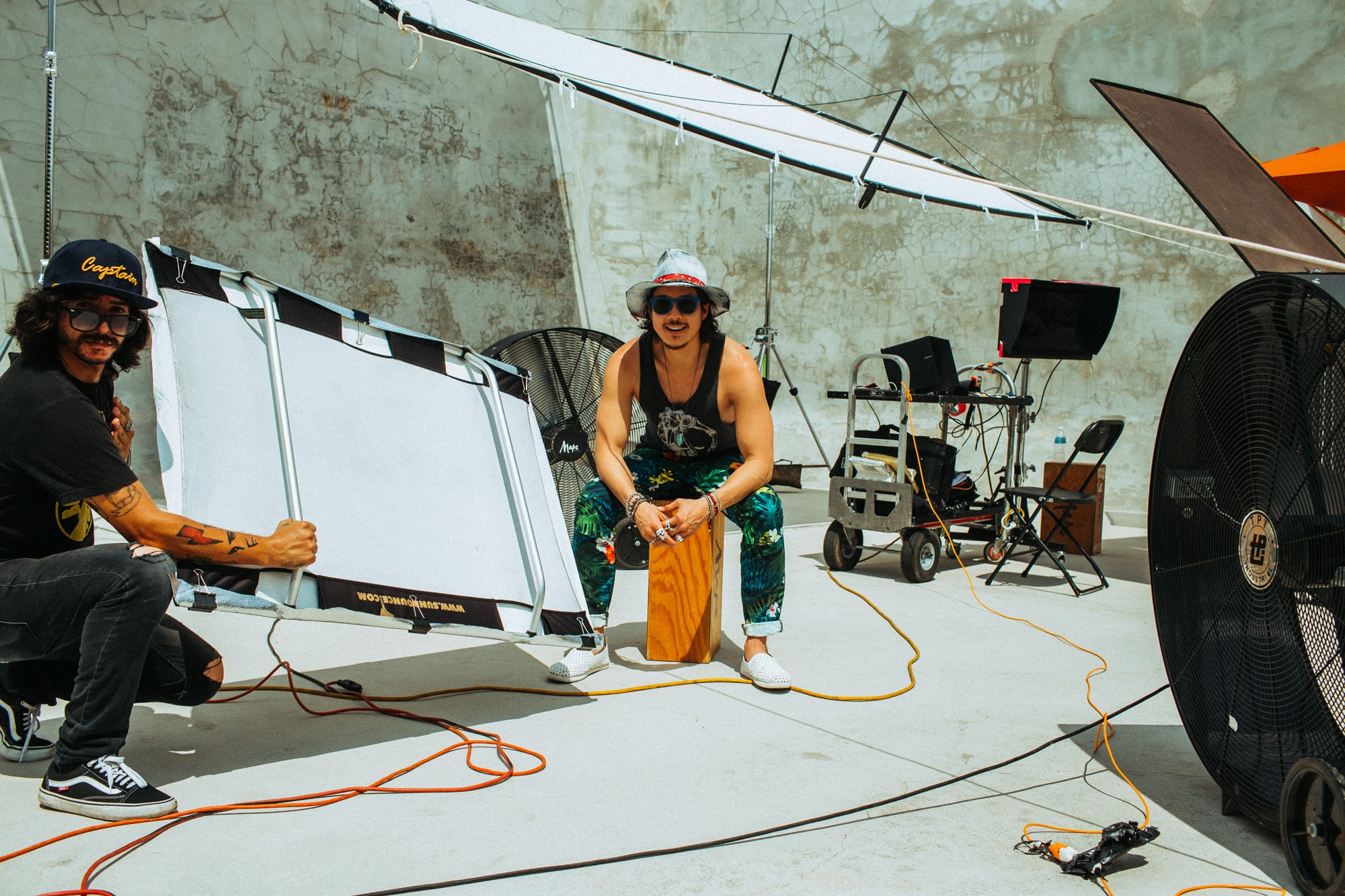
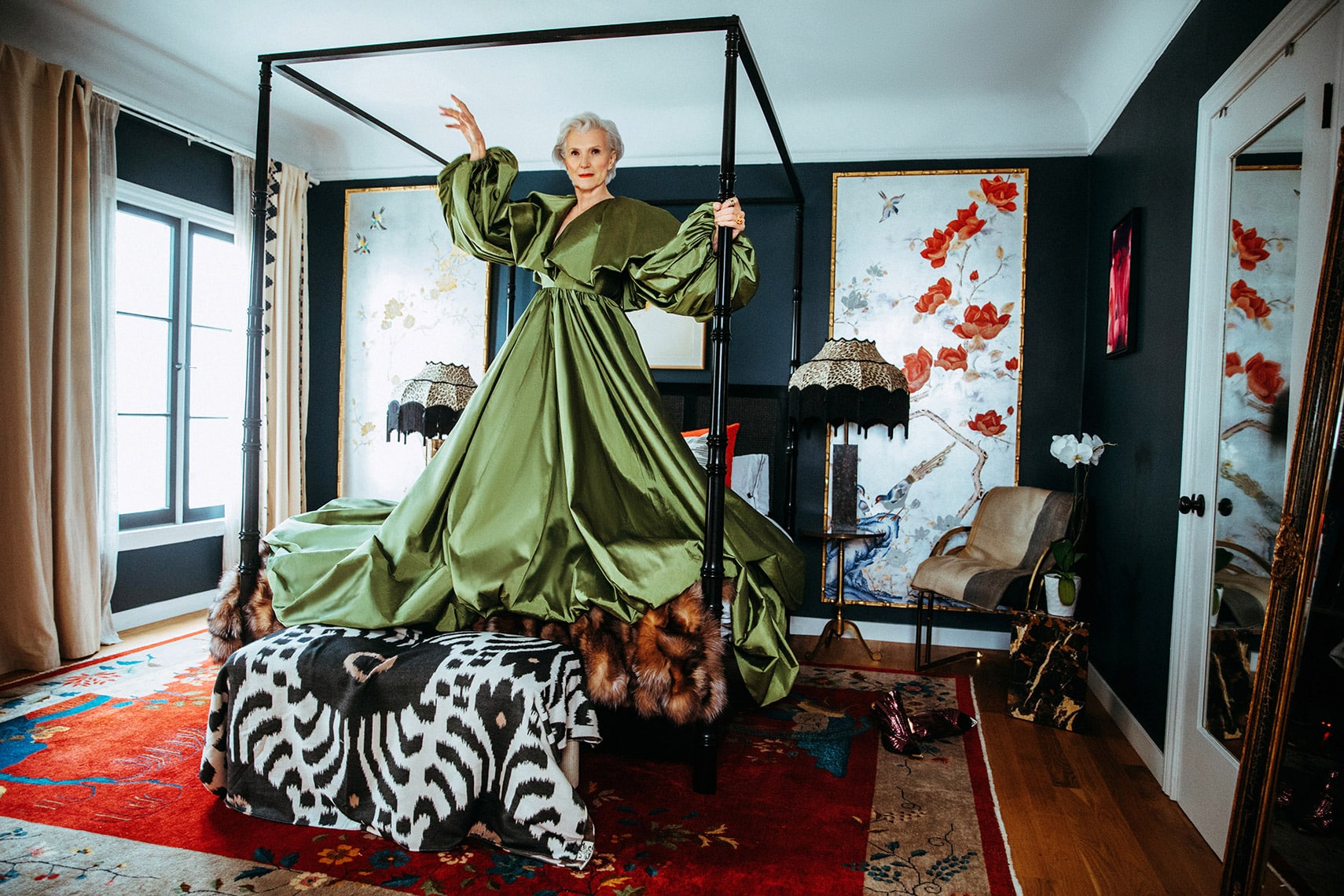
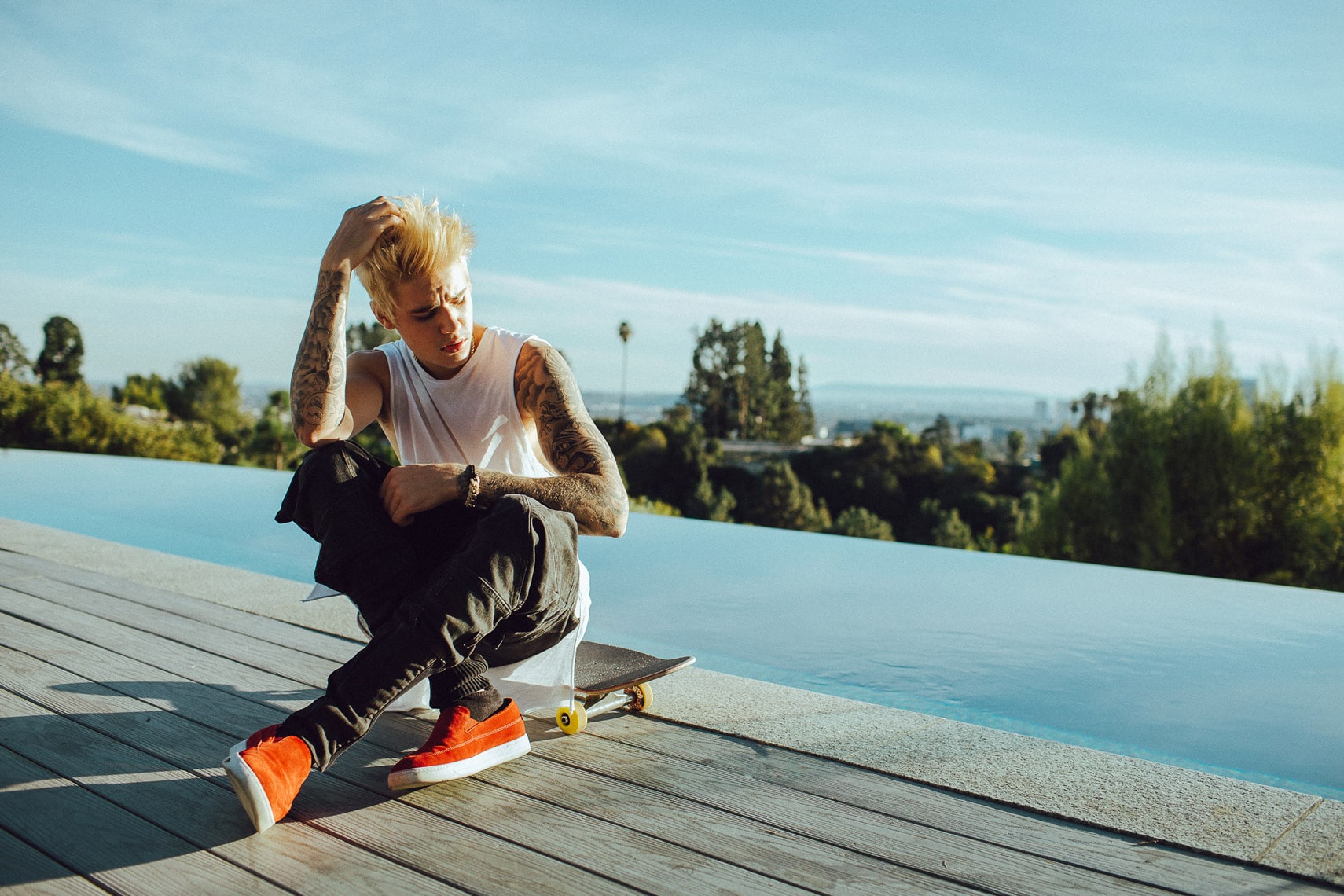
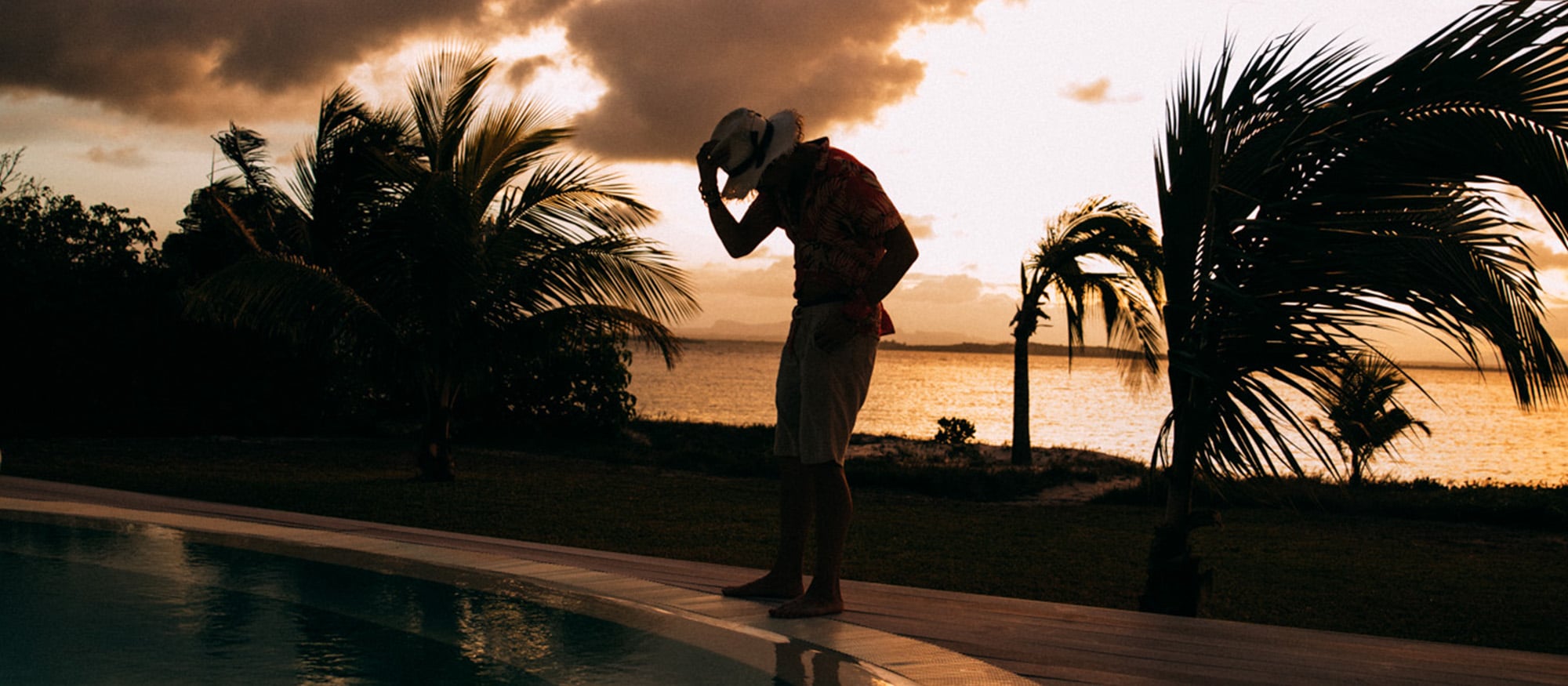
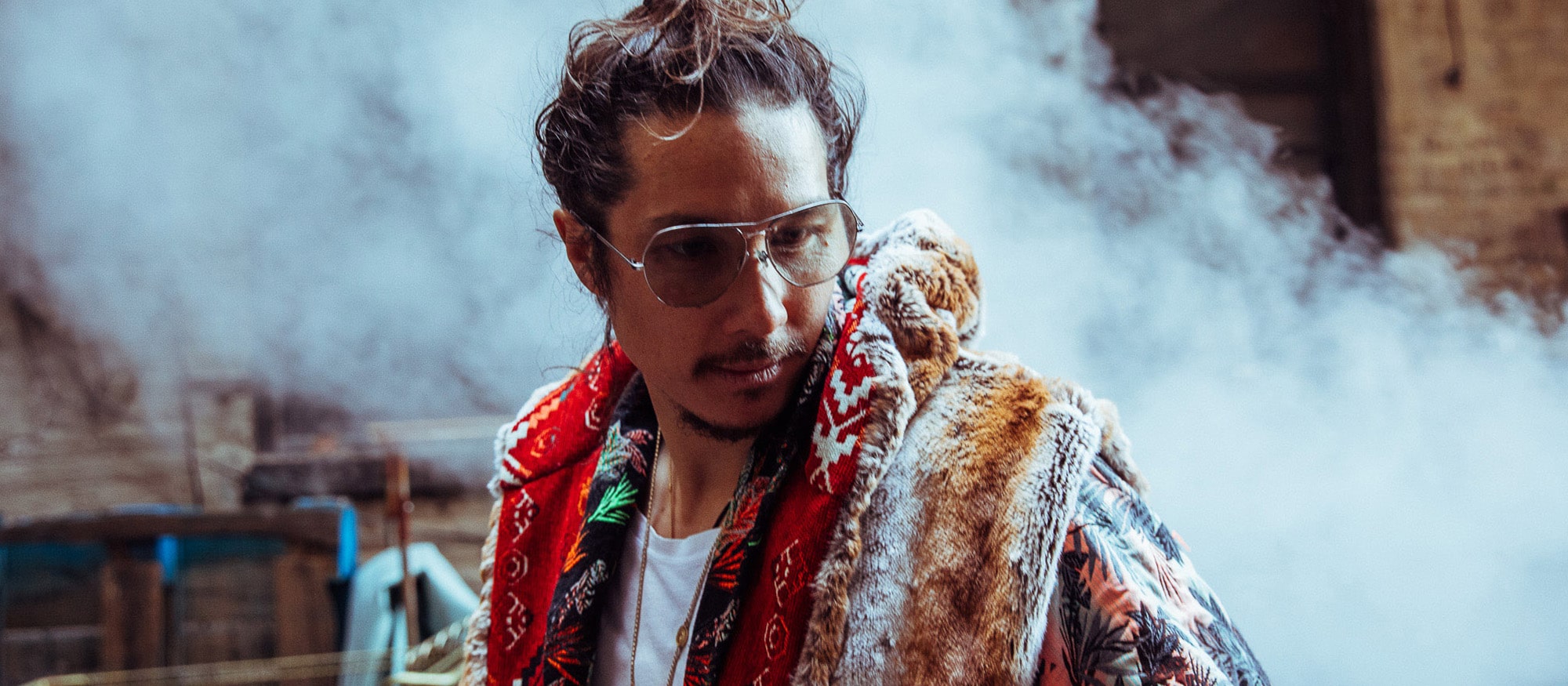
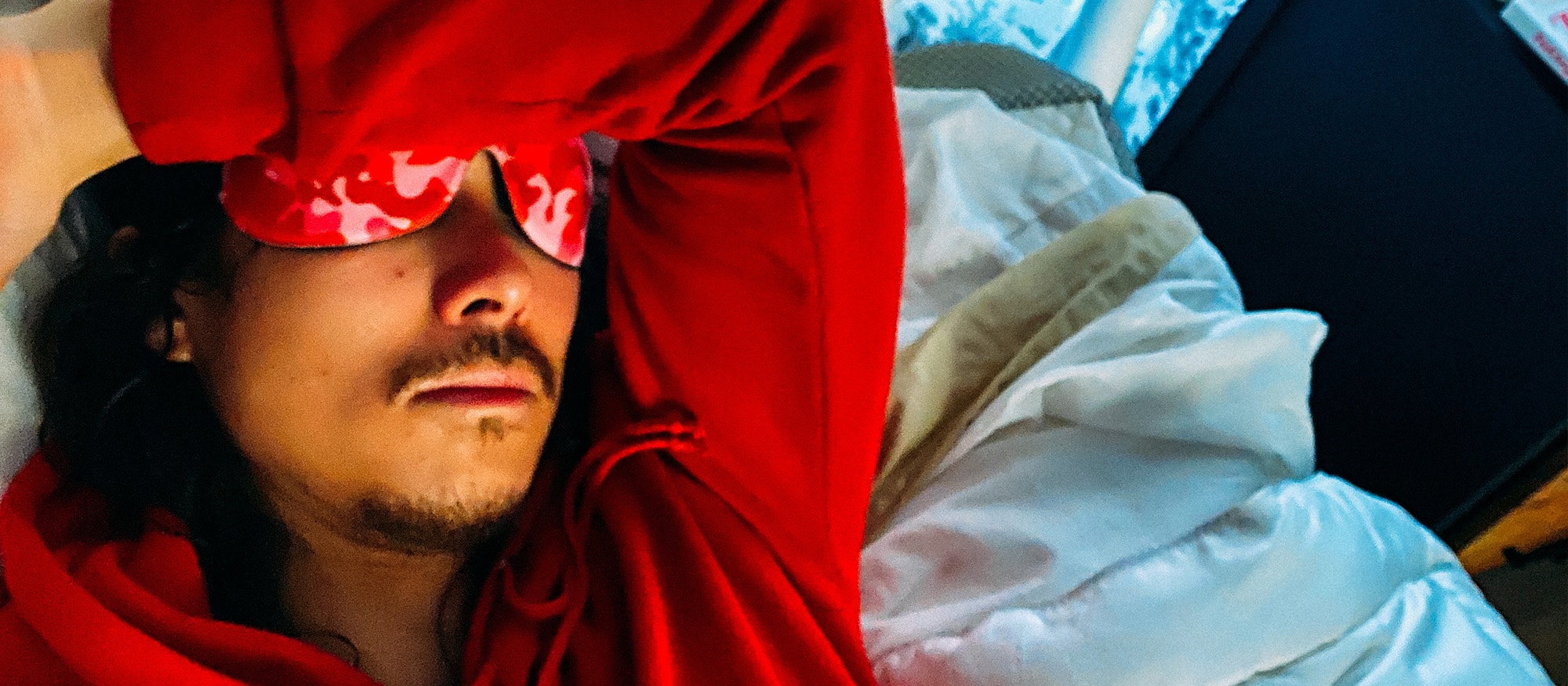
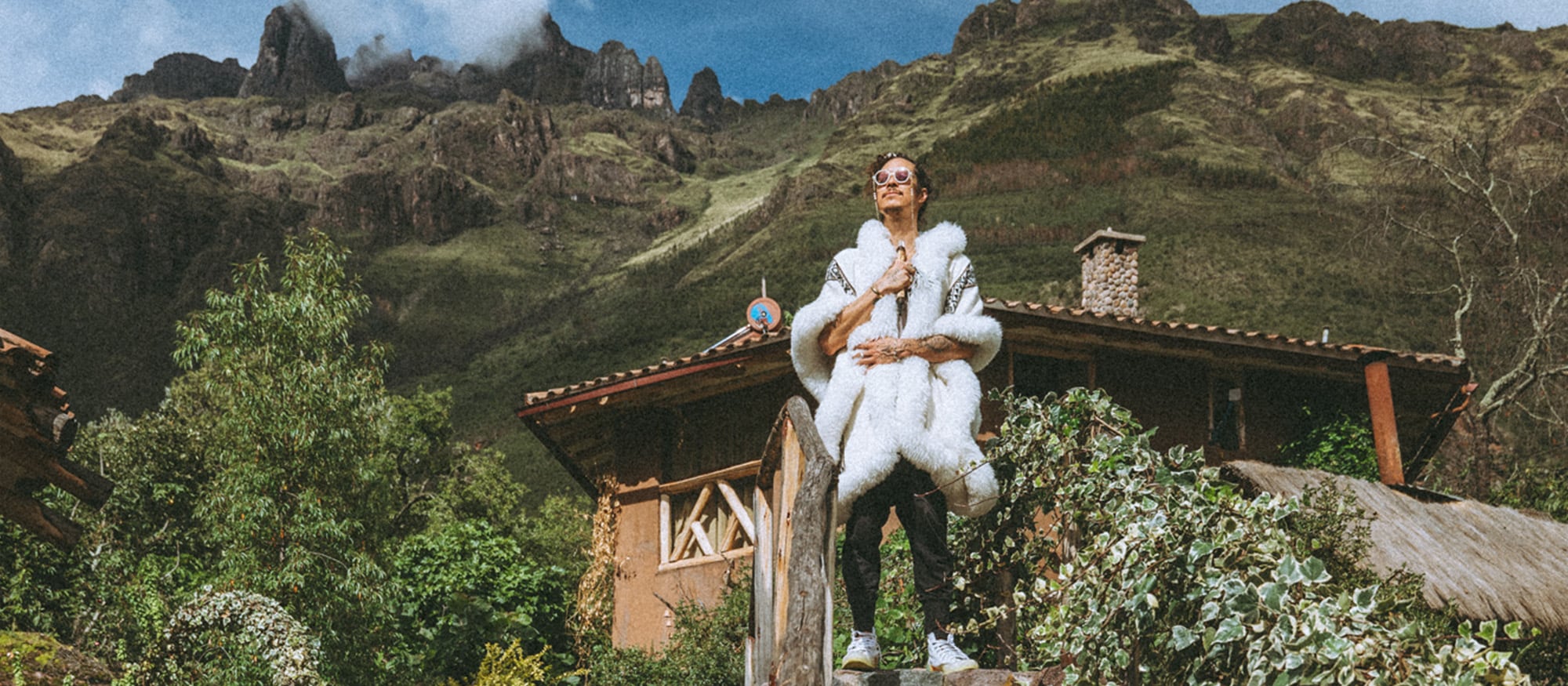
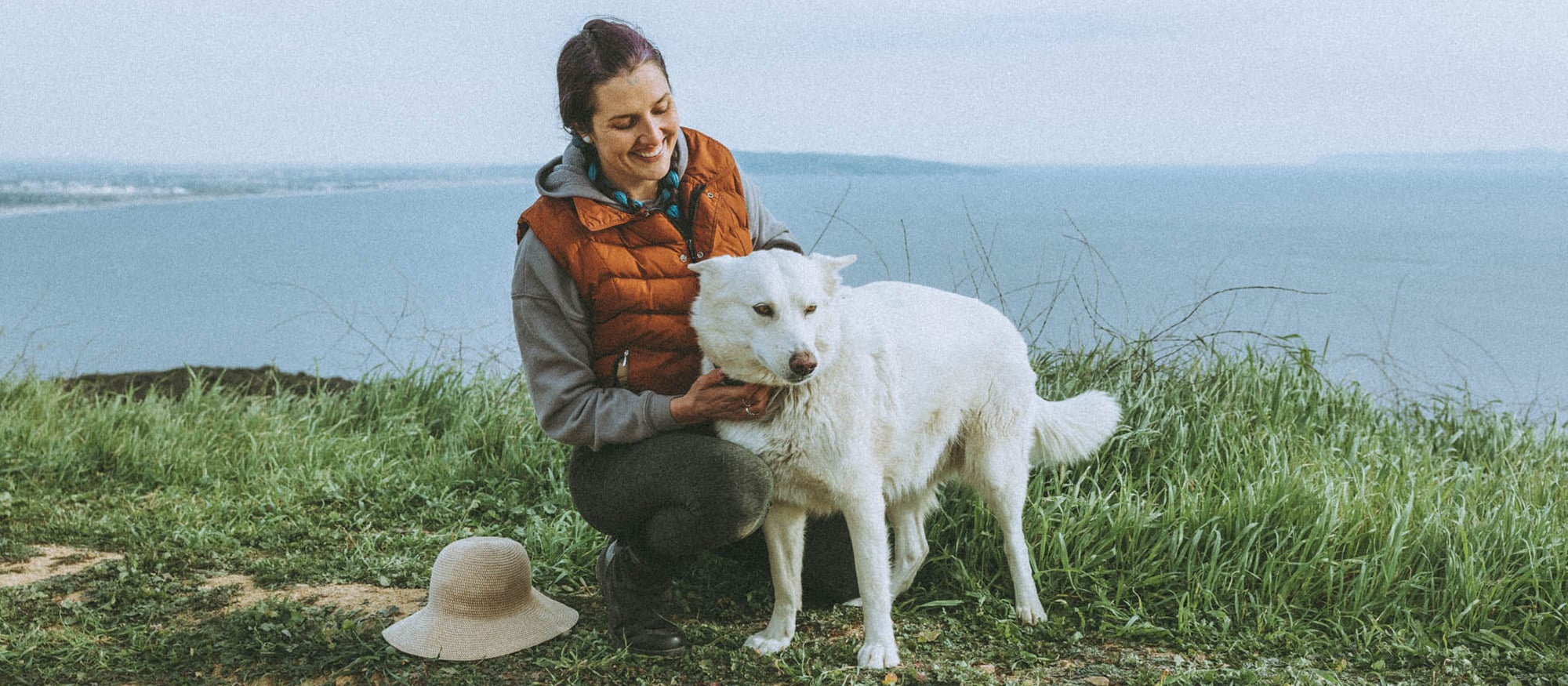
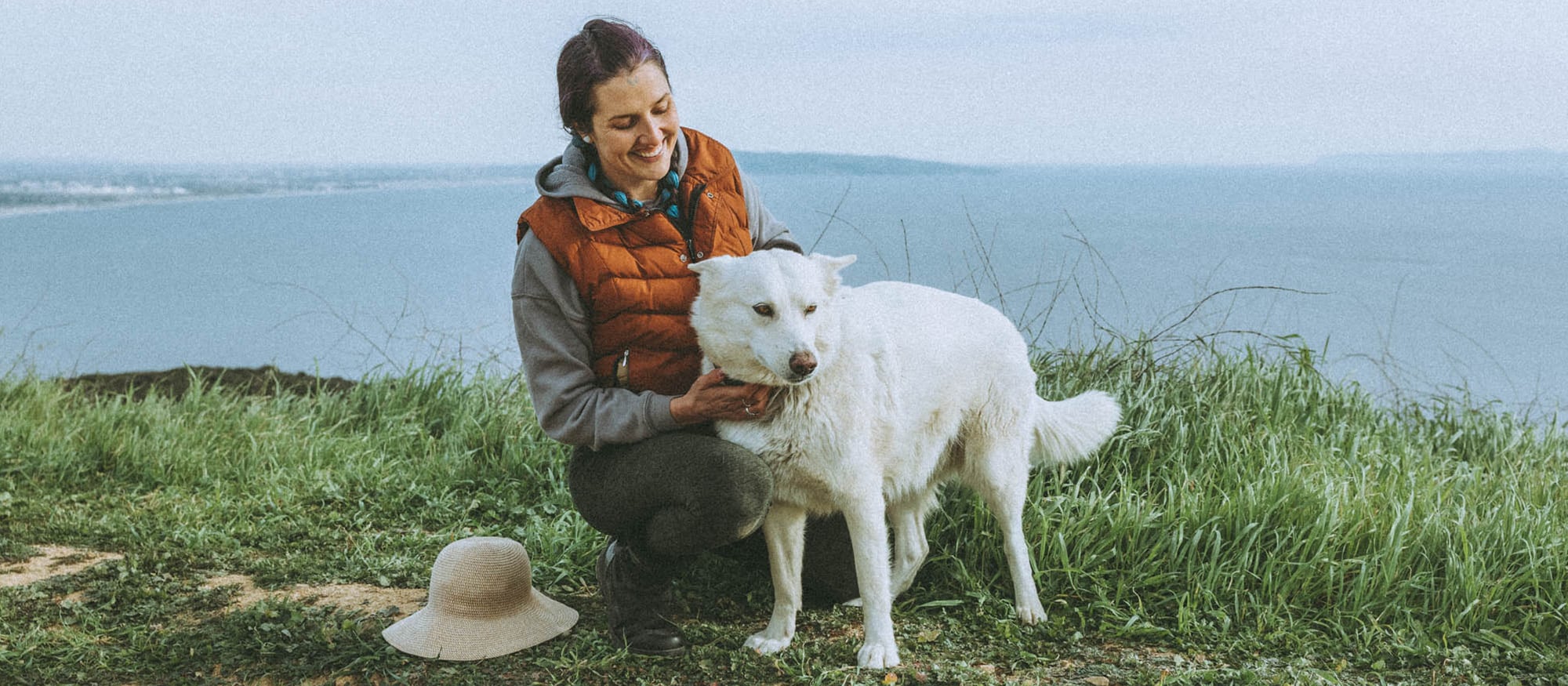
Been working shooting a bit more fashion in my own style. Pretty stoked about this story we just shot by my house in NYC a couple months ago for The Collective Magazine. Download the whole magazine PDF here. It’s all about having a great team!


After an inspiring conversation with my homie Jeff Holt about finding things that inspire you, and putting them in once place. Being inspired is a huge piece of being creative, and being creative on a consistent basis.

This whole conversation inspired me to create http://inspired.nickonken.com, which is really a public scrapbook of imagery, videos, quotes, and other things that inspire me. I’ve talked a little bit about this in my Vision Board post a while back. Curating imagery that inspires you is a way to help you hone your visual style. I think it’s a great exercise that teaches you to see. Curating is similar to editing in the fact that you are culling together images that are appropriate for a certain outcome. This outcome being “what you’re inspired by”. You can then break down what it is you like about this palette of imagery and integrate elements into the way you see your for your work.

Jeff showed me his tumblr blog, and the tumblr blog engine finally made sense to me. It’s an extended version of twitter in the fact that you can follow people, reblog their posts, add your own posts, and search the tumblr databases. I had my tumblr interface custom coded by my friends in Mexico, GL Pepper. I wanted a mood board/magazine style format that has a lot of images on the page so it creates a feeling. The great thing about tumblr, is you can scroll through your past posts, and one of my favorites is viewing your archive. http://inspired.nickonken.com/archive It thumbnails everything (like this screenshot). You can find the archive here: http://inspired.nickonken.com/archive. Doing this in a public fashion will allow me to find imagery through the tumblr community, and be able to access it anywhere. I really found it great on this last editorial shoot we just did this weekend, in the fact I could pull it up on my iPad and have the images as reference right there for the team. I think it will be great to see as an ongoing log and evolution of what inspires me, and in turn, share that with a community.

http://inspired.nickonken.com

Testing is a huge part of getting started in the world of photography, and is also vital to staying alive creatively along the way. When you’re more established, testing keeps you fresh and relevant to the current world of photography. I’ve talked about the ABS theory, (Always Be Shooting) in the fact of always shooting for yourself for those reasons, and to expand your default(bag of tricks) for real jobs. Shooting a test can be very simple, or very complex depending on what level and how much money you have to invest. When I first started, testing was grabbing a good looking friend, going out into a great location and practicing. Now my test consist of flying a whole crew into a great location including hair/makeup, stylist, models, assistants, etc. I thought I’d throw down a few tips, and insights for setting up a test when you’re starting out.

When you’re starting out it’s a bit fuzzy where to start or what to do. Keep in mind, you are only as good as your portfolio, and your portfolio not only helps you get jobs, but helps you get talent to work with you. By talent, I mean Hair/makeup artist, stylists, and models. If you want people to work with you, they need to see something that gives them the confidence that if they put their time in, they will get some great images for their portfolios, so that is where you can start. If people aren’t interested in working with you, then the first place you should look is the quality of your work, which is what should do the selling.

Now that said, it can feel like a catch 22 because if you don’t have the work to show for, you need to create it, but to create it you need to have good work to get people to work with you. You find that all along the way especially getting the big ad jobs where people want to see high production value work. The trick is to learn to produce at an exponential value than the production elements you have to work with. You’re style and what you are drawn to also means lighting is different for what you like. It’s a personal preference, but some lighting requires more work/assistants than other lighting. You have to decide what you want to do and get the gear to pull it off. Sometimes that cost money.

When I first got interested in shooting people, I pulled some inspiration shots I found from other photographers that I could try and mimic then just grabbed a cute friend, walked around the city and experimented with natural light. Starting out with friends gives you the flexibility to learn to direct, and practice lighting without feeling too uncomfortable. You have to know your camera and know how to create the exposures/lighting you want without it being a distraction to the model. Lighting and directing are two different elements and if you don’t know how your camera works and how to light when working with a model you don’t know can get distracting for them. A big part of working with people, is interacting and directing your subject. If you’re too busy trying to figure out how to work your camera you can lose that rapport.

Ok that said, once you’ve practiced with a few friends and feel comfortable with what you’re doing, you can take it to the next level and bring in some other elements like hair/makeup, agency models, styling etc. You can pick up a cheap template website from places like bludomain.com to package your work in order to show other people. Making connections with hair and makeup artists can be tricky, but if you ask around your network someone probably knows someone. You can find people starting out that want to build their books. Sometimes you can find them at the department store makeup counters. Once you find someone who wants to collaborate with you, then do a couple tests with friends to add to your book. Remember, styling is very keep. Keep it simple.

If you want to take it from there, you can find modeling agencies in your local city. Call them up and tell them you want work with them and test some new models. Show them your website/book. If they aren’t interested, then ask for feedback on your work. What you can improve on to get some models from them. They are going to look at your work and want to be confident that if they give you one of their models, you will produce great images for them.

That’s entry level testing. The more testing and practicing you do, the more elaborate your connecting will get. And your work will evolve.

Enter the next level…

The above process can take a couple years depending on how fast you learn, and how often you can test. Once you have an established book, the more higher production value tests you can do. The higher level of talent you can convince to work with you. It took me a few years to get to this level of production for my tests because of money and how far along my work was. Here is a schematic of the process:

If you build relationships with hair, makeup, and stylists, you can work with them and build your team and they can work with you on tests, and real jobs. The more production value concepts you do, you will have to shell out money to make them. Naturally if you can negotiate high production value elements for free, then you’re creating higher value for less hard costs. You also have to examine the concept and content of what you want to shoot to determine the production elements that you need. Higher end commercial lifestyle requires good models that you can only typically find in NY, LA, or Miami. Therefore if you want to have a great location AND great models, you probably have to fly those models in to the location from one of those cities. Same with Hair, Makeup, and wardrobe styling. I shot a test in Colorado last year with the help of my good friend Jeff Holt. We came up with a concept, and he helped me produce it. The whole test cost me $3000 and that was with everyone working in trade for portfolio images. We had hard costs such as flights to get everyone there, food, rental trucks, hotels, and a few other expenses. The images we created from this shoot, have helped me to get higher paying advertising work, so it was well worth the investment. (see the images here: http://bit.ly/Colorado_SnowAdventure) Big tests like this need a lot of planning and preproduction to make them happen. I start with a concept, figure out the elements I need then we start working on securing and scheduling those elements for the shoot dates.

I still do lower profile tests, such as the film test of Loli I just shot in Prague. I found her through A Small World, emailed her with my website and asked her if she wanted to do a test when I was in Prague. She liked my work and was happy to work with me, and even helped me line up a hair/makeup artist there which I paid a little money to(sometimes you have to if you’re in a city where you have no connections.) Since I typically shoot with natural light, assistants aren’t a necessity so I was able to do this with me, a camera, Loli, and a makeup artist. Besides the costs of getting to Prague, this test probably cost me $600(half of which was my film processing costs) Check it out here. http://bit.ly/LoliSmokes_Prague

This is a recent test I shot in Tulum, Mexico. http://bit.ly/Devon_Tulum

In the end, your concept dictates the amount of production that is needed to create the images you want. The beauty of what we do, is that the world is our oyster. We can wake up, think of something to create, and go do it. You can test for free, or you can put money into it. (naturally you have to spend money to make money, so the more you put in, the more value you will get in the end).

Loli Smokes… On Film

June 30 2010
Posted under: Travel, Work

Well, She doesn’t really smoke that much, but she did for this little shoot. I’m not much of a fan of smoke itself, but I love the way it looks on film. When I decided to go to Prague a few weeks ago, I figured I should shoot something while I was there, so I looked for a model and made it happen. I found Loli who was kind enough to stay a couple extra days to shoot. I’ve been pushing myself to shoot film for my personal work these days because it is a different approach and a different feel. The more I shoot, the more I realize how much more analog it really is, and I love it. Some people may think it’s a fad to shoot film, but I don’t think so. Maybe our world has become so digital we are reverting to the roots. I wanted to do something classic black and white because a city it fits so well in Prague. I used my Contax G2 with Kodak T-Max 400 and a couple rolls of Kodak 400NC.


Check out the full story here: http://www.nickonken.com/Stories/LoliSmokes_Prague/

Just worked with Katie Noble (her interview here) again a couple weeks ago. My boy Ja Tecson shot this fun little behind the scenes of the shoot out in Venice. Below are the tears from the mag.

Some recent film…

May 20 2010
Posted under: Work

The more I shoot film, the more fun it becomes. Especially when you develop rolls from a couple years past and find some gems. Busted out the Contax G2 & my Pentax 67 with Kodak T-max 400/Kodak 400NC/VC film stock for these.


Over the past couple years I’ve had a chance to shoot a couple cover stories(above) with Katie Noble, the photo editor at the Improper Bostonian. She was kind enough to do an interview for my blog to shed a little light into her world as a photo editor. Thanks Katie!

How did you get into being a photo editor?
I applied to be the assistant photo editor of Travel + Leisure, and by sheer good luck, a background in the arts and some intense practice interviews with my dad, I got the job. At T+ L, I worked with smart, quirky colleagues in the photo department who shared a love of images and the Pentax 6×7. I really enjoyed my job, but after being in New York City for nearly three years, I realized I wasn’t cut out to be a New Yorker. I missed having the outdoors accessible—I’m from rural Mass. and went to school in Vermont. I happened to hear that The Improper Bostonian (a local city magazine) was looking for a photo editor and applied for the job. I sent in my résumé and was hired a month or so later. I’ve been in my current position for about five years.

What inspires you?
I recently saw the film The September Issue, and at one point Grace Cottington (creative director for Vogue) says, “Norman Parkinson, who was a really big photographer, taught me to always keep your eyes open. Never go to sleep in the car. Keep watching, because whatever you see out the window or wherever, it can inspire you.” I’m really struck by that idea. I’d like to think that everything I see—film, food, blogs, TV, art­—inspires me in some way.

Specifically, I love the blog Lost in E Minor (I just want to run home and start DOING something), GQ (I think their photography is some of the best), and two of my favorite contemporary photographers are Norman Jean Roy and Peggy Sirota. I try to check out many magazines; I have a big stack next to my bed and desk and am constantly playing catch-up. I read a lot of blogs through my RSS reader, save many tears and screen shots on my computer, and have a treasured list of photography bookmarks saved on my web browser. I’m always eating up and saving images I love and then referring back to them for inspiration.

What do you love most about your job?
I was an elementary education major in college and being a student teacher every day was totally nuts with lots of little, different personalities. In a similar way, working at a magazine each new issue has its own set of puzzles to solve. The content is always changing, and I try to keep my cool and not freak out with all of the moving parts. I’m also very lucky to work with a smart, interesting group, and we try and keep things in perspective.

How do you like to find photographers?
I love it when talented photographers email me to say they’ve checked out the magazine, and they’d love to work for us. It’s a great feeling when I can send along a link to our head designer, and we’ll both nod and say, “This is cool. This is good. They’ll be perfect.”

A couple of months ago, I received an email from photographer Adam DeTour (http://www.adamdetour.com). The tone of his email was just right: polite, friendly, go-getter-ish. I’d been looking for a long time for someone to shoot our “Style Profile” section on a consistent basis. I hired him for a shoot to see how it would work out, and, sure enough, he was the guy. I like to work collaboratively with photographers like Adam because they can bring fresh ideas to sections we’ve been working on for a long time.

What qualities do you like when working with photographers?
Professionalism and personality. We’re on a tight deadline (out every two weeks), so I need to hire photographers who’re going to send in their shoots on time—and hopefully with an extra shot or two that I wasn’t expecting but will work for the story. That’s always a happy surprise. Nick is a stellar photographer to work with—he brings a great energy to the shoot. In his latest shoot for us, he gave us such a range of images, it was such a fun edit to do. It drives me crazy when photographers say they’ll meet my deadline and then don’t follow through. I usually won’t hire them again.

Email promos, printed promos, or both? Any other good channels of getting work in front of you?
Everyone in every field gets slammed with email. So, as much as I try and read generic photographer email blasts (Constant Contact), I have to admit I tend to delete them without reading. But I do read the emails that are sent with a personal message and website link. I realize that sending personal emails is much more time-consuming for photographers, but I appreciate the extra touch. If a photographer sends an email to me,  lives in an area where we shoot (L.A., NYC or Boston), has work that may be appropriate for the magazine, I immediately save them to my address book.

What makes the best printed promos?
My favorite promo is a 3×5 or 4×6 postcard with a couple of images  that give me a sense of your style. I feel guilty when someone spends a lot of money on a promo because I usually have to toss them—I just don’t have room to keep everything. If a photographer sends in a postcard, and I like the work, I’ll stick the card to my wall (see attached).

What qualities do you like when working with photographers?
Professionalism and personality. We’re on a tight deadline (out every two weeks), so I need to hire photographers who’re going to send in their shoots on time—and hopefully with an extra shot or two that I wasn’t expecting but will work for the story. That’s always a happy surprise. It drives me crazy when photographers say they’ll meet my deadline and then don’t follow through. I usually won’t hire them again.

I really like to work with photographers who have easy-going personalities. Someone who’s tremendously talented but acts like a diva makes life difficult for the whole editorial staff.

Do you work with photographers that only shoot film?
Since we’re a city magazine, with limited budgets, out every two weeks, we can only hire photographers who shoot digital. I really love film but our magazine has such constraints with budget and timing that unfortunately it’s not feasible. And our accountant would kill if me if I passed along film and processing fees. But I love checking out film projects, and I respect photographers who shoot with different cameras and film types.

Any thoughts on interactive media and the iPad?
I’m sure in a couple of years I’ll regret saying this—especially if/when the iPad becomes a part of our culture like the iPhone and the iPod—but personally I don’t have a use for one. I’m at work all day on my computer, have an iPhone and a laptop at home. Adding another form of technology to me would be overload.

With the Red Camera and video capability on more pro SRLs, photography is definitely moving towards interactive media and video. So, as more photographers start to develop their video skills and offer this as a service, I can see how having an iPad allows them to show their work to clients. Being able to watch movies on a plane with a bigger screen than an iPhone seems pretty cool, too.

Seeing that magazines are creating iPad versions is really exciting. I don’t think that print magazines will ever go away completely, but I’m really not sure what’ll happen in the next five to 15 years. It’s nice to see there is an avenue for us. Blogs and websites are wonderful sources of information for readers, but I often think that we forget (myself included) that not all web content is accurate. Magazines and newspapers have an entire staff dedicated to making sure information is relevant, fact checked, copy edited and reread many times prior to publication.

How has the economy affected the editorial world from your perspective?
While working for The Improper, we’ve always been very budget conscious. With the economic downturn, we’ve had to be even more so. It’s hard to make things happen on a shoestring budget, but it’s helped to make us think even more creatively. We’re shooting more things in-house—using our conference room as our studio for still life,  buying less expensive stock photography, and using hair and makeup people in the city who want experience.

What advice do you have for photographers getting into the game?
I’d say the most important thing is to hustle. Photography is a very competitive field so you have to really want it. It has to be a part of your life. You have to want to bring your camera with you everywhere and just make yourself take pictures of family, friends, travel, your street, etc. Give yourself assignments and get excited about your art until you build up a book of work that shows your own unique vision.

It’s also really important to have friends who’re in the visual business. Since photography is an individual field (you don’t meet other photographers on a shoot), I think it can help with technical questions, borrowing/sharing gear and making connections with potential clients. And it’s also nice to grab a beer with someone who you admire or can understand your situation.

Any other thoughts, things you’d like to talk about, words of wisdom you can pass on to us photogs?
I say the best way to get hired by a magazine is to introduce yourself by email. Phone calls can be hard because I’m always running around, and print portfolios seem like a repeat of what’s on a website. In your email, briefly introduce yourself and pass along a website that has a cohesive body of work. If you like to shoot still life, have a section of work that shows me how you use light and items that you like to shoot. Send an email or postcard every six months or so with a quick update on your projects. But remember not to be too pushy. Think of it like a new relationship—it’s best to ease into it, following the cues of the other person. One photographer whose work I really liked and considered hiring started emailing me every week. That persistence makes me worried that the photographer would be high-maintenance if hired for an actual shoot.

Young photographers just out of school tend to send me links that have every type of lighting they’ve learned in school. I think it’s far better to focus on one or two things that you like to shoot. It can be still life and portraits, but there should be a consistency to the work. And my rule of thumb is no photos of protests, cemeteries, homeless people, trashy alleys—subjects not generally appropriate for a lifestyle publication. I’ve seen many of these particular images in potential interns books. Leave it out unless this work is really unique, and you’ve put serious thought into why this should be included in your portfolio.

Finally, keep in mind the tone of the client. The Improper is a lifestyle magazine so pristine landscapes and sad portraits aren’t really applicable. But a book with solid portraits, environmental portraits or still-life shots will catch my eye. Personal work is always nice, too.

Branding Gone Basic

April 28 2010

Naturally if you’re read any of my posts on branding, you’ll see that I’m a big believer in the importance of it. It’s a key component to a business and once you realize that for yourself you’ll be much further along. You should always hire a trained designer/agency to develop your brand on the graphical side, but we all know that takes a good chunk of change. A brand development like mine can cost anywhere from $5-10K. There is a whole process behind the development and it’s unique to who you are. Its one of the most important things you can do for your business next to taking pictures. Perception is reality(in the visual branding sense), and that is what people take you for on a first impression. Unless you are a trained designer, you should never do your own brand. If you have that kind of cash to spend on developing your brand that’s awesome, and is a great investment, but you should also have shot for a few years and have a good sense of who you are as a photographer because that plays into your visual brand.

That said, I know how hard it is to come up with that kind of cash to hire a designer to create your brand during the first few years of your business. Trust me, I lived off of peanuts and ramen for the first few years of my photography journey because every penny I had went back into my business. Buying equipment ain’t cheap! That’s where your initial investment should reside because that directly makes you money, and you need to have a product before you can build a brand around it. My friends over at Brand Envy have just come out with a great solution for people starting out without the capital to invest in a custom brand package. It’s called BE by Brand Envy. It’s basically an e-commerce branding package where you can choose your design template, and logotype, etc and have a higher quality execution. The great thing about it is you can have a tight designed brand for a price range of $625-$2000, which is very affordable. It will be hands down better than anything the untrained eye. The drawback is the same as any template driven, you may not be the only one with that design.

Check out BE by Brand Envy’s packages here: http://bit.ly/BEbyBrandEnvy

A reader who was just reading the recent post “You Gotta Wannit” and was wondering what I meant by “putting in a ridiculous amount of work.” that goes on outside of taking pictures. I figured this my be a good thing to share with everyone. Behind the scenes there is a hell of a lot of work to be done that doesn’t even incorporate taking pictures. This is what’s called “The Hustle.” In fact, lately I’ve realized and felt that I should be out taking more pictures, but sometimes it’s a slow process of learning where to spread your time, which the older I get, the less I feel I have.

The ridiculous amount work all breaks down from the two rules of the photography game I described in a recent post. Make better images and show more people. It’s doing all the things that go into that.

A lot of the work comes from the self motivation and drive to get better at what I do between the actual paid shoots. I’ve always been a believer in the ABS theory(Always Be Shooting). The more I grow as an artist, the more planning and preparation goes into even my own test shoots. Since I’m putting my own money into my tests, I want to make sure that I’m pre-producing them to get the most out of them.

The other amount of work is showing more people, and that is a completely complex idea. Networking, marketing, promotion, social media, etc. This is all very time consuming but getting your work in front of people is the key component in even getting work.

So, that said, what are the daily tasks that fill my time? I typically get up at 8am and work till 6, 7 sometimes 10pm. The more you hustle, the more you have to do. A lot of my workload is even farmed out to different people that can do it for me(IE: my reps who circulate my portfolios, handle estimating, do portfolio shows, seek out new work, etc.) My accounting and book keeping are farmed out to people that actually enjoy doing it. Next step is to hire a personal/office assistant to take even more of the load off so I can spend my time doing more focused ROI work.

Day to day:
•Researching, planning, reproducing and shooting test shoots
: (A fun part of the job that lets us be creative) I spend time writing out creative briefs for shoots so we can all be on the same page when shooting them.
•Job preproduction:
working on casting and location decisions for jobs, conference calls with clients for pre-production etc.
•Conference calls and new business:
Big ad jobs always require creative calls with art directors to get more info on the project and to for them to hear your thoughts on how you would shoot their concept.
•Dreaming of ideas and establishing goals:
Another thing I love about this career is dreaming of ideas that I can actually execute or at least work towards executing. The world is your oyster. You can do what you want with it. Dreaming and creating goals is a great way to stay driven and inspired to keep creating.
•Branding development:
Tasks like working with designers to create new promo pieces, email promos, etc. Brainstorming new ways of getting my work in front of prospective clients.
•Portfolio updating and creation:
This goes in conjunction with creating and updating the website. It took me a month in the office of 12 hour days to populate my the new website I just launched. Prepping images, and creating the right edits. My printed portfolios get updated twice a year, and that in itself is a lot of work from working with other people on the right edit to laying it out and getting it printed.
•Party planning:
I just threw a book release party for my recent book Photo Trekking, and even though I hired an event producer to make the event happen, there was still a significant amount of creative decision making and promotion that I had to do myself. Check the out video and photos here.
•Social Media:
I’m not as hardcore into social media updating as a lot are because it’s so time consuming. I try to do it as much as possible, but time becomes so spread thin.
•Blogging:
Writing blog posts and getting inspired to write. Figuring out what is best to share with the community.
•Networking and relationship building:
Something I do way more of in New York because you can. The community here is pretty amazing, and you meet new people all the time. I love it because it doesn’t always feel too separated here. People in the industry enjoy hanging out and talking about collaborating. Even outside of networking building personal relationships is not something to cast to the wayside. Developing more meaningful relationships is something that I’ve made a goal in my personal life. Sometimes especially here the work and personal relationships collide in a good way.
•Travel planning & Dreaming:
I love traveling and dreaming of places to go. Granted time is more scarce these days to take off for long periods, but something I still try and get done. It seems to be more last minute these days, but it involves a decent amount of planning.
•Paying bills and paperwork:
The dirty work. Usually it’s taking care of the in office management stuff to send to my book keeper/accountants. I hate doing this stuff.
•Budget planning and allocation:
A lot of being a business person is deciding where you spend your money. I try and put as much back into the business as possible to grow and expand. Learning and deciding where to allocate your funds can be a fair amount of work, especially in the beginning stages when there’s not much funds to allocate. Figure out where to best invest.
•Business meetings: Meeting with current associates and potential clients. All takes time out of the day but is important. Personal relationships are key.
•Researching & Reading: I like to read business books when I can to learn how I can better myself and my business. In the same respect I like researching imagery and where I want to be going with my work.
•Managing Interns: This one is quite new, but managing interns, teaching, and giving them tasks to do.
•Other business ideas and projects outside of photography: I have other ideas that may be somewhat photography related but aren’t within the actual scope of my photography business that I love dreaming of and working on.

The “To Do” list never ends, and I’m sure there is much more, but what I can think of off the top of my head. Most of this work is self created, which is a huge part of going places in the commercial world.


Here are a few of the final retouched images from a recent Chevy campaign I shot along with a few behind the scenes set shots.


Latest Tweet: